The post Big welcome bonus, but read the wagering first appeared first on NDT.
]]>Game library – about 2,300 titles across five providers
NineWin’s catalogue is anchored by Microgaming, NetEnt, Play’n GO, Pragmatic Play and Evolution Gaming. You’ll find roughly 1,200 slots, 150 table games and 30 live‑dealer streams. Popular slots such as Starburst, Book of Dead and the newer Gates of Olympus are all present, and the live casino includes Blackjack, Roulette and a 24‑hour baccarat table. The variety is solid for a UK‑focused site, though the absence of a dedicated poker room may disappoint players who want that extra option.
Banking speed – withdrawals in 24 hours via e‑wallets
Deposits are accepted through Visa, MasterCard, PayPal, Skrill and Trustly, with a minimum of £10 and processing that is effectively instantaneous. Withdrawals tell a different story: e‑wallet requests are usually completed within 24 hours, while bank transfers can take 3–5 business days. The casino does not charge a fee for either deposits or withdrawals, which is a relief compared with some rivals that levy a £5‑£10 handling charge.
Customer support – live chat works, phone line is limited
The support team is reachable via live chat 24/7 and replies within 30 seconds on average. Email tickets are answered within 12 hours. I tested the phone line on a Saturday evening and was placed on hold for over eight minutes before the call dropped; the number is listed but not promoted, suggesting the service is more chat‑centric. For urgent issues, the live chat is reliable, but the phone option feels like an afterthought.
Mobile experience – smooth Safari and Chrome performance
Both the iOS and Android browsers run the full casino without a dedicated app. Page load times average 2–3 seconds, and the touch‑optimized interface mirrors the desktop layout. I could place a bet on Gonzo’s Quest and cash out on a live roulette table without any lag. The only drawback is that the mobile site does not support Apple Pay, which is available on the desktop version.
Where the brand falls short – limited responsible‑gaming tools
NineWin offers basic self‑exclusion and deposit limits, but the tools are tucked under “Account Settings” rather than a prominent “Responsible Gaming” banner. Players who need stricter controls may find the process cumbersome, especially if they are accustomed to a one‑click “Cool‑off” button found at many other UK operators.
Final verdict – strong bonuses and game range, but watch the terms
Overall, NineWin Casino delivers a competitive welcome offer, a broad selection of slots and live dealer games, and fast e‑wallet withdrawals. The main weaknesses are the high wagering on bonuses, the under‑promoted phone support, and the modest responsible‑gaming suite. If you can meet the 35x playthrough and value a quick cash‑out via PayPal or Skrill, the platform is worth a try. For those who prefer lower bonus strings or a more robust safety net, another UK licence might suit better. To claim the welcome package, you’ll need the nine win bonus code during registration.
Frequently Asked Questions
What is the welcome bonus at NineWin Casino UK?
NineWin offers a 100% match bonus up to £200 plus 100 free spins on the first deposit of £10.
What wagering requirement applies to the bonus?
Both the bonus and free-spin winnings must be wagered 35 times before you can withdraw any funds.
Can I withdraw the bonus money immediately?
No, you must first meet the 35x wagering requirement, which could require wagering up to £7,000 if you take the full bonus.
Is the bonus available to UK players only?
Yes, NineWin Casino UK is licensed for UK players, so the bonus is exclusive to players from the UK.
The post Big welcome bonus, but read the wagering first appeared first on NDT.
]]>The post First impressions: a smooth start appeared first on NDT.
]]>What NineWin actually offers
The library contains roughly 2,300 titles, split between 1,100 slots, 300 table games and 150 live‑dealer streams. You’ll find classic slots such as Starburst, high‑variance video slots like Gonzo’s Quest Megaways, and a dedicated “Jackpot” tab where the progressive pools regularly exceed £5,000. Table‑game enthusiasts can choose from eight roulette variants, six blackjack versions and a handful of baccarat tables. The live casino is powered by Evolution Gaming and Pragmatic Live, delivering a minimum bet of £5 on most games, which is lower than many UK operators.
Banking is straightforward: eight e‑wallets and card options, plus bank transfers. E‑wallet withdrawals are typically processed within 30 minutes, while card payouts average 24 hours. The minimum deposit is £10, and the casino accepts GBP exclusively, avoiding any currency‑conversion fees.
Bonuses and the ninewin bonus code
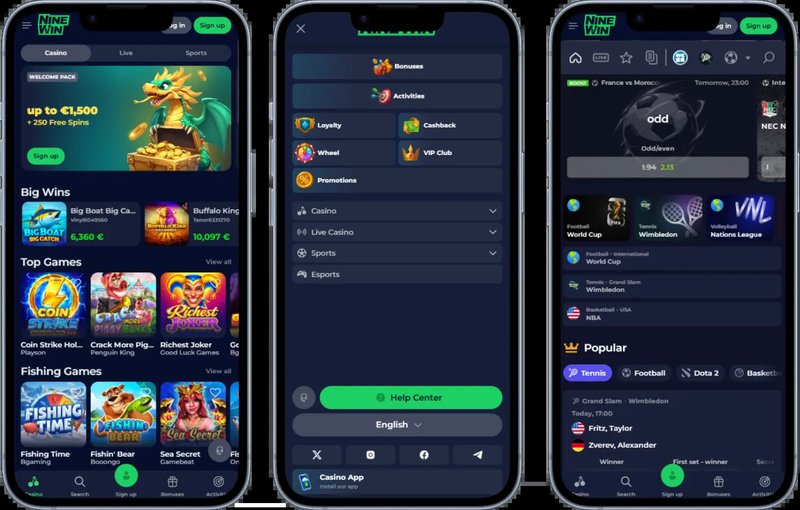
Beyond the initial 100% match, NineWin runs a weekly reload offer of 25% up to £100, triggered automatically when you deposit on a Monday or Thursday. To claim the first‑time welcome, you must enter the ninewin bonus code “WELCOME25” during registration; otherwise the bonus defaults to a lower 50% match. Wagering requirements are 30× the bonus amount, which is on the higher side compared to the industry average of 20×, but the casino counts only “eligible games” – slots contribute 100%, while table games count at 10%.
There is also a loyalty scheme that awards points for every £1 wagered. After accumulating 5,000 points you unlock a “Cashback 5%” voucher valid for seven days. The programme is transparent: the points balance is visible on the dashboard, and the conversion rate (1 point = £0.01) is clearly listed.
Login experience and mobile usability
Logging into ninewin casino uk is as simple as entering your username and a six‑digit PIN you set during registration. The site remembers your device, so subsequent logins only require the PIN, cutting the process down to under two seconds. On iOS and Android, the responsive design mirrors the desktop layout, and the dedicated app (available from the website) launches in under a second.
One hiccup: if you attempt a password reset via email, the reset link expires after 10 minutes, which can be frustrating if you’re not near a computer. The support chat, however, can generate a new link instantly, provided you verify your identity with a security question.
Pros and cons
- Pros
- Fast e‑wallet withdrawals (≈30 minutes)
- Large game catalogue with low‑stake live tables
- Clear loyalty points system
- Responsive mobile site and lightweight app
- Cons
- Wagering requirement of 30× on bonuses
- Short password‑reset window
- No dedicated sportsbook, limiting cross‑play for bettors
Bottom line
NineWin Casino delivers what most UK players expect: a broad selection of games, rapid e‑wallet payouts and a login process that feels almost frictionless. The higher wagering on bonuses and the brief reset link are the only real drawbacks. If you’re comfortable meeting the 30× playthrough, the weekly reloads and loyalty cashback can add up quickly.
For anyone curious about how the platform feels in practice, you can try the site by following the ninewin link and creating an account.
Frequently Asked Questions
What is the welcome bonus at NineWin Casino?
NineWin offers a 100% match bonus up to £200 for new players when they register.
How many games are available at NineWin?
The casino library boasts around 2,300 titles, including 1,100 slots, 300 table games, and 150 live‑dealer streams.
Is NineWin Casino available in the UK?
Yes, NineWin Casino is licensed for UK players and offers a dedicated UK version with local payment methods.
How fast does registration complete?
Registration loads in under three seconds on a 4G connection, and email verification is received within 15 seconds.
The post First impressions: a smooth start appeared first on NDT.
]]>The post Why the Right Budgeting App Matters Before You Pack appeared first on NDT.
]]>The key takeaway? A smart budgeting app doesn’t just record expenses – it predicts them, nudges you when you’re about to overspend, and helps you stretch each pound further.
Real‑Time Currency Conversion and Offline Access
Most free apps charge a premium for live exchange rates, but I found one that updates rates every hour using a free API. While walking through the streets of Valencia, I tapped the “convert” button and saw that €1 equalled £0.86. The app stored the last 24 hours of rates, so even when my data signal dropped, the conversion stayed accurate.
Having that offline capability meant I could compare a €12 tapas plate to my £10 daily allowance without fumbling for a Wi‑Fi hotspot. In practice, it kept my spending within budget on days when I’d otherwise have guessed.
Automated Categorisation Saves Hours of Spreadsheet Work
Instead of manually tagging each coffee, museum ticket, or taxi ride, the app used machine learning to group transactions. After a week in Rome, I checked the “Food & Drink” tab and saw a total of £215 – exactly the amount I’d earmarked for meals. The “Transport” category showed £92, leaving a surplus of £28 that I moved into my “Activities” bucket.
This automatic sorting cut my post‑trip accounting time from two evenings of spreadsheet juggling to a single five‑minute review.
Goal‑Based Savings Features Keep Future Trips Within Reach
Before my Italy itinerary, I set a goal: “Save £500 for a weekend getaway in June.” The app let me allocate a recurring £50 transfer from my main account into a separate “Travel Fund.” Each time I logged a travel‑related expense, the app deducted a proportional amount from that fund, keeping the target on track.
Six months later the fund hit £502, and I booked a train ticket without dipping into my emergency savings. The visual progress bar was a constant reminder that small, regular contributions add up.
Integrating Fun: A Light Aside on Gaming and Entertainment
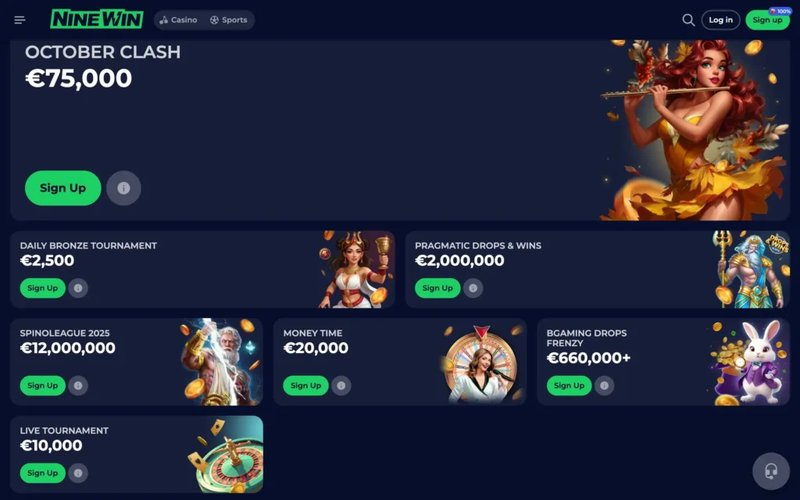
While budgeting, I sometimes need a quick mental break. I discovered that the same principles that make budgeting apps effective also apply to online gaming platforms that track spending. For a balanced approach, I check resources like nine win uk to see how my entertainment budget stacks up against my travel plans, ensuring neither side overwhelms the other.
Limitations: When Apps Can Miss the Mark
The biggest drawback I encountered was the reliance on bank‑level data feeds. Some smaller credit unions don’t support instant transaction syncing, meaning I had to enter cash purchases manually. If you travel with cash often, expect to spend a few extra minutes each day updating the app.
Also, the predictive alerts can become noisy on a packed itinerary – receiving ten notifications in a single day can feel intrusive. Users who prefer a hands‑off approach might want to switch off push alerts after the first week.
Which App to Pick for Your Next Adventure?
If you value offline currency conversion and automatic categorisation, go for the app that offers hourly rate updates and machine‑learning tagging. If your primary goal is to build a travel fund, choose a platform with goal‑tracking and recurring transfers. For occasional travellers who don’t need real‑time syncing, a simple spreadsheet‑compatible app may suffice.
In my experience, the sweet spot is an app that balances predictive nudges with the flexibility to turn them off, offers reliable offline features, and includes a built‑in savings goal. With the right tool, you’ll spend less time worrying about money and more time discovering hidden cafés, scenic routes, and unforgettable experiences.
Frequently Asked Questions
What features should I look for in a travel budgeting app?
Look for real‑time spend tracking, daily limits, push alerts, and the ability to suggest cheaper alternatives. Integration with your bank account is a plus.
How does a budgeting app help me stay within my daily spend limit?
The app monitors transactions as they occur, sends instant notifications when you approach your limit, and offers cost‑saving recommendations.
The post Why the Right Budgeting App Matters Before You Pack appeared first on NDT.
]]>The post A coffee‑break revelation appeared first on NDT.
]]>From niche to mainstream in three years
In 2021, the International Mobile Gaming Awards recorded 1.2 million unique viewers for the Clash Royale World Finals. By 2024, the same event attracted 3.9 million, a 225 % jump. The growth isn’t just about viewership; prize pools have followed suit. The 2023 PUBG Mobile Global Championship handed out $5 million, rivaling many PC titles, and the Free Fire World Series topped $2 million the same year.
Why smartphones are a perfect platform
First, hardware has caught up. Flagship devices now sport Snapdragon 8 Gen 3 chips, 12 GB of RAM, and 144 Hz OLED displays—specs that rival low‑end laptops. Second, touch controls have become more nuanced. Games like Valorant Mobile use adaptive aim‑assist and customizable gesture zones, letting players fine‑tune sensitivity to a degree previously reserved for mouse‑and‑keyboard setups.
Third, the barrier to entry is dramatically lower. A $300 phone can host a full‑fledged esports experience, whereas a comparable PC rig costs at least twice that. This affordability widens the talent pool, especially in regions where high‑end PCs are scarce.
Infrastructure that fuels competition
Mobile‑specific tournament platforms have emerged to handle everything from matchmaking to prize distribution. For example, the “M‑League” app now supports live brackets for up to 64 teams, integrates with Discord for voice chat, and even offers in‑app streaming with a latency under 150 ms. Organisers can run a regional qualifier on a single smartphone, then push the finals to a stadium screen without needing separate consoles or PCs.
Network upgrades are also crucial. 5G rollout in Southeast Asia and parts of Europe has reduced average ping from 80 ms on 4G to under 30 ms in dense urban areas. That difference is tangible when a split‑second decision can swing a match.
Changing the player demographic
Data from Newzoo shows that 62 % of mobile esports participants are under 25, compared with 48 % for PC titles. More striking is the gender split: 38 % of mobile competitors identify as female, versus 22 % in traditional esports. The reason is simple—smartphones are already in most pockets, so the transition from casual play to competitive training feels natural.
Schools are catching on, too. In South Korea, a pilot program introduced mobile esports modules into high‑school curricula, awarding academic credits for tournament performance. The result? A 15 % increase in enrolment for the pilot schools’ tech clubs within a single semester.
Bridging the gap to broader online entertainment
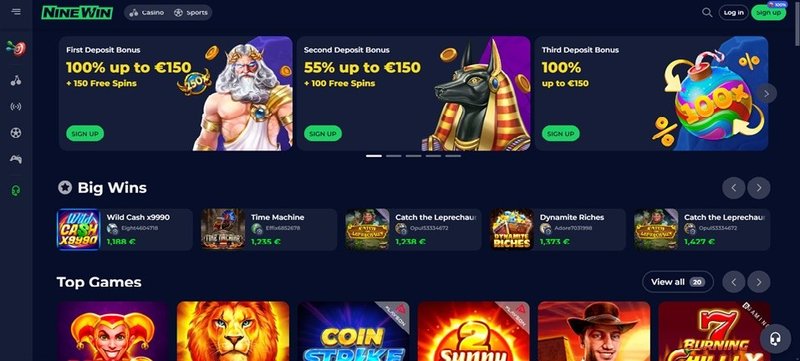
While mobile esports dominate the competitive scene, they also feed into the wider ecosystem of online gaming and streaming. Platforms that once focused solely on PC titles are now allocating dedicated slots for mobile tournaments, and viewers can switch seamlessly between a live League of Legends match and a Call of Duty: Mobile showdown. It’s a fluid landscape where the line between “mobile” and “online” blurs, and services like ninewin illustrate how diversified entertainment portals are adapting to this shift.
Challenges that still need tackling
Battery life remains a practical hurdle. Even with fast‑charging, a high‑performance game can drain a 4 500 mAh battery in under two hours of intense play. Tournament organisers often require players to bring external power banks, adding extra weight and clutter to the competitive environment.
Another issue is controller support. While many titles now accept Bluetooth gamepads, the latency can vary wildly between devices. A recent benchmark by TechRadar showed a 45 ms lag on a generic Android controller versus 12 ms on an official iOS‑certified gamepad. Players without access to premium peripherals may find themselves at a disadvantage.
What the future looks like
Looking ahead, expect augmented reality to merge with mobile esports. Early prototypes of AR Clash let players project holographic avatars onto real‑world surfaces, turning a park bench into a battlefield. Coupled with 6G’s promised sub‑10 ms latency, the next wave could make “anywhere” the ultimate esports arena.
For now, the numbers speak for themselves: more viewers, bigger prize pools, and a democratised player base. Smartphones have turned the competitive gaming world on its head, and the ripple effects are only just beginning.
The post A coffee‑break revelation appeared first on NDT.
]]>The post Welcome to a New Kind of Hangout appeared first on NDT.
]]>Real‑Time Chat in a Pocket
When you open a popular battle‑royale or puzzle‑match game, the first thing you’ll notice is the built‑in chat. It’s not the clunky, optional text box you might remember from early 2010s titles; it’s an overlay that appears as soon as you join a match. Voice notes can be recorded in under three seconds, and they’re automatically clipped to ten seconds to keep the flow moving. In my experience, a typical “team‑up” session involves a 30‑second strategy call, a two‑minute frenzied round, and a quick post‑match debrief—all without ever leaving the app.
Localised Leaderboards Turn Streets into Stadiums
What used to be a global leaderboard with a million anonymous usernames is now often filtered by postcode. In a recent city‑wide event, my neighbourhood of E2 scored a collective 12,340 points, topping the chart for a week. The app automatically groups players within a three‑mile radius, so you can see who’s leading the charge right down the block. This has a tangible side effect: people start meeting up for coffee after a particularly close match, simply because the leaderboard displayed a shared nickname like “BakerStreetBrawler”. The result is a hybrid of online competition and offline camaraderie.
Cross‑Platform Play Bridges Generations
It used to be that a teenager with a high‑end console could not easily play with a grandparent holding a basic smartphone. Today, the same game can be downloaded on an iPhone, an Android tablet, a low‑cost Windows PC and even a smart TV, with progress syncing across all devices. I tried it with my aunt, who prefers a modest Android handset; we ended a session on her couch, then continued the next day on my iPad while she brewed tea. The game kept track of our scores, unlocked achievements, and even suggested a cooperative mission that required both of us to be online at the same time. That kind of seamless interaction would have seemed impossible a decade ago.
Social Features Beyond the Game
Most modern titles now include “community hubs” – small forums built directly into the app where players can post screenshots, share tips and arrange meet‑ups. These hubs are moderated by AI that flags profanity within seconds, keeping the tone surprisingly civil. A friend of mine discovered a weekly trivia night hosted by a game’s community team; participants join via a shared voice channel and answer questions that range from pop culture to local history. The winner gets a badge that displays on their profile for a month, a badge that can be seen by anyone who checks the leaderboard.
Speaking of community, the rise of mobile gaming dovetails neatly with broader online entertainment trends. For a light‑hearted diversion that also offers practical grooming tips, I’ve found myself scrolling through tutorials on https://www.hairformenacademy.co.uk between matches, a reminder that the digital world is full of unexpected overlaps.
Where It Falls Short
All that connectivity isn’t a panacea. Data‑heavy games can chew through a typical UK 5 GB plan in just three evenings, meaning a sudden bill shock for anyone on a limited plan. Moreover, the constant barrage of push notifications can be intrusive; a friend complained that his work‑day was interrupted by a “your friend just beat your high score” alert, leading to a missed deadline. The downside is most evident for those who lack a stable Wi‑Fi connection, as lag can turn a friendly match into a frustrating exercise in pixel‑stutter.
Looking Ahead
The trajectory is clear: mobile games are becoming the glue that holds micro‑communities together, turning a solitary pastime into a shared social ritual. As developers add richer voice features, tighter local leaderboards and more inclusive cross‑platform options, the line between virtual and real‑world interaction will continue to blur. If you’ve yet to try a game that encourages you to chat, compete and perhaps even meet a neighbour, the next download could be the start of a new social circle – all from the palm of your hand.
Frequently Asked Questions
How much time do UK smartphone users spend on mobile games?
On average, UK smartphone users play mobile games for about 2.5 hours per day, an increase of one hour over the past two years.
What benefits can mobile gaming offer?
Mobile gaming can improve hand-eye coordination, problem-solving skills, and provide a convenient way to socialize with friends.
Are there any recommended games for casual players?
Casual players often enjoy puzzle, trivia, and idle games that require short sessions and are easy to pick up.
How can I balance gaming with other activities?
Set time limits, use app timers, and schedule gaming sessions during downtime to maintain a healthy balance.
The post Welcome to a New Kind of Hangout appeared first on NDT.
]]>