
The Math Behind the Games
At the core of every game in a casino lies a carefully calculated mathematical foundation designed to ensure profitability. Each game is engineered with a specific house edge, a percentage that represents the casino’s advantage over players. For instance, in roulette, the house edge is typically around five percent, meaning that over time, the casino retains five cents for every dollar wagered. This statistical analysis forms the bedrock of casino profits, allowing them to predict and optimize revenue streams effectively, particularly when considering options like online casino australia that have become increasingly popular. Understanding the intricacies of these calculations reveals the fundamental mechanics that drive the casino’s business model.
Understanding the concept of expected value is crucial for grasping how casinos generate income. Expected value refers to the average outcome of a game based on the probabilities of various results. Casino operators analyze data from countless gaming sessions to fine-tune their offerings. By doing so, they can ensure that the expected loss for players aligns with their profit goals, allowing for a sustainable business model without appearing exploitative. This delicate balance is what keeps the casino industry thriving, as operators continually assess and adjust their games to maximize profitability while maintaining player engagement.
The influence of variance also plays a significant role in casino profitability. While the odds may favor the house in the long run, individual outcomes can fluctuate dramatically due to variance. This unpredictability draws players into the excitement of gambling, as they can experience short-term wins that mask the house edge. Casinos capitalize on this psychological aspect, enticing players to return even after losses, thereby securing a steady influx of revenue. By leveraging this variance, casinos create an environment where players feel the thrill of winning, even if statistically, the odds are not in their favor.
The Role of Game Design
Game design is an integral component in the casino’s strategy to maximize profits. By combining elements of chance with psychological hooks, games are created to captivate players. Slot machines, for instance, often feature bright colors, engaging sounds, and the allure of progressive jackpots to keep players engaged for longer periods. The immersive experience makes it easy for players to lose track of time and money, ultimately benefiting the casino. This design philosophy is not merely aesthetic; it is rooted in behavioral psychology that encourages prolonged play.
The mechanics behind the games also influence player behavior. Many games, such as blackjack and poker, involve a degree of skill. This gives players a sense of control, which can lead to longer playing sessions. However, even in skill-based games, the casino maintains an edge through rules and payout structures designed to ensure long-term profitability. For example, the way card games are dealt or the specific rules of engagement in poker can subtly shift the odds in favor of the house. This careful manipulation of game mechanics is crucial for maintaining a profitable operation.
Furthermore, the introduction of innovative technologies, like mobile gaming applications and virtual reality experiences, has transformed the casino landscape. These advancements not only attract a younger audience but also create new opportunities for revenue generation. By continually updating and diversifying their game offerings, casinos can maintain player interest and loyalty while ensuring that their profit margins remain strong. The evolution of technology in gaming ensures that casinos remain relevant and can adapt to the changing preferences of their clientele.
The Psychology of Gambling
The psychology behind gambling is a complex interplay of emotions and decision-making processes. Casinos leverage behavioral science to enhance player engagement and maximize profits. The thrill of risking money and the possibility of winning significant payouts tap into fundamental human instincts. This emotional connection keeps players returning, often despite the underlying statistical realities that favor the house. By understanding these psychological triggers, casinos can craft experiences that resonate deeply with their audience, ensuring that players remain captivated by the allure of the games.
Another psychological tactic employed by casinos is the use of reinforcement schedules. By providing intermittent rewards, casinos can keep players engaged for longer periods. Slot machines, in particular, are notorious for this, as they deliver small wins frequently, which creates a sense of excitement and anticipation. This encourages players to continue gambling, believing that a larger win is just around the corner, even when they are statistically more likely to lose. This phenomenon illustrates how effective psychological strategies can drive player behavior in casinos.
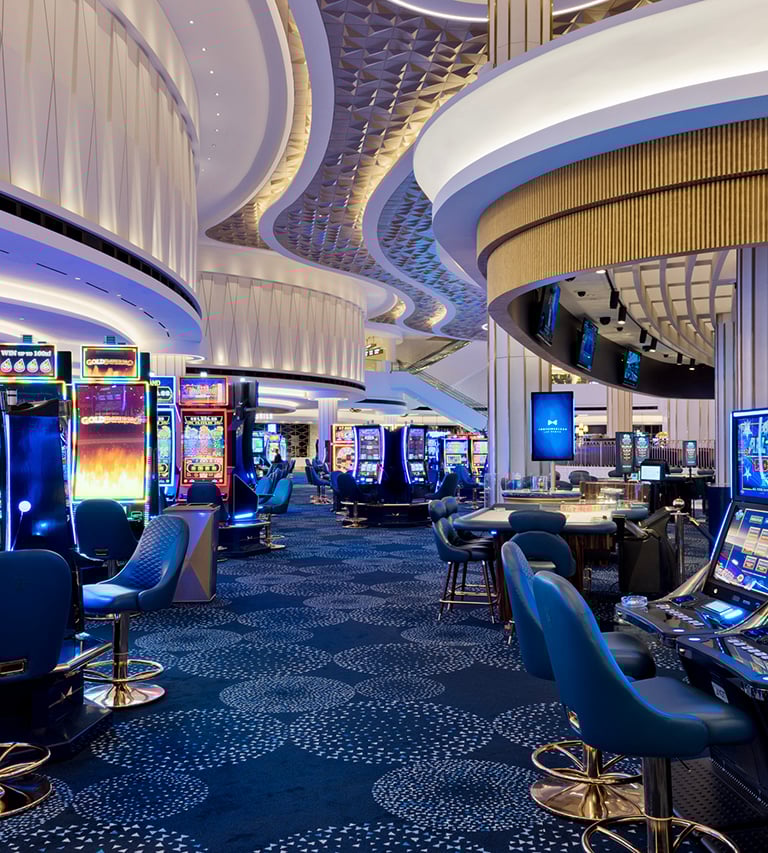
Moreover, the layout and ambiance of a casino contribute to player behavior. Factors like lighting, sound, and scent are meticulously designed to create an inviting atmosphere that encourages spending. By minimizing distractions and enhancing comfort, casinos can maintain high levels of player engagement, thereby increasing the likelihood of sustained gambling sessions. This strategic use of environment plays a pivotal role in maximizing profits over time. The sensory experience within a casino is carefully curated to keep players in a state of excitement and engagement, which ultimately benefits the casino’s bottom line.
The Impact of Loyalty Programs
Loyalty programs are a cornerstone of casino marketing strategies, aimed at retaining customers and encouraging repeat visits. These programs reward players for their continued patronage, often through point systems that can be redeemed for perks such as free play, dining experiences, or hotel stays. The more players engage with the casino, the more they are incentivized to return, fostering a sense of belonging and loyalty that directly impacts profitability. This approach not only drives revenue but also builds a community around the casino experience.

By analyzing player behavior through loyalty programs, casinos can gain valuable insights into consumer preferences and spending habits. This data allows them to tailor promotions and offers that resonate with individual players, offering personalized experiences that enhance satisfaction. Such targeted marketing not only increases customer retention but also encourages higher spending, as players are more likely to gamble when they feel valued and understood. The effectiveness of loyalty programs illustrates how a personalized approach can significantly boost a casino’s profitability.
Moreover, loyalty programs can create a competitive edge in a saturated market. As casinos vie for customer attention, offering compelling rewards can make one establishment more appealing than another. This differentiation encourages players to choose one casino over another, ultimately boosting revenues. The effectiveness of these programs shows how understanding and catering to player psychology can lead to successful business practices in the gambling industry. Loyalty programs not only ensure repeat business but also contribute to a casino’s reputation and brand strength.
Understanding Casino Profitability
In conclusion, the profitability of casinos hinges on a combination of mathematical precision, innovative game design, psychological insights, and strategic marketing. The house edge, calculated through meticulous analyses, lays the groundwork for sustainable profits while attracting players who are drawn in by the thrill and excitement of gambling. By leveraging behavioral science and loyalty programs, casinos can foster long-term relationships with their clientele, ensuring a steady stream of revenue. This multifaceted approach is essential to the ongoing success of the casino industry.
As the landscape of gambling evolves with technological advancements and changing consumer preferences, casinos must remain agile and adaptive. By continuously analyzing their operations and player behavior, they can refine their approaches to engage their audience effectively. Understanding these dynamics is essential for anyone interested in the gambling industry, whether as a player or a business professional. The future of casinos will depend on their ability to innovate while staying true to the fundamental principles that have driven their success for decades.
For those looking to delve deeper into the world of casino operations and profitability, exploring industry trends and player behavior can yield fascinating insights. Understanding how casinos balance entertainment with profit maximization can enhance one’s appreciation of the gambling landscape. This knowledge is not only beneficial for potential players but also for those involved in the business side of the industry, providing a comprehensive view of what drives success in the competitive world of casinos.